


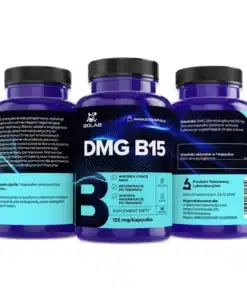
DMG B15: A Comprehensive Overview
Introduction and Description
DMG B15, commonly known as pangamic acid, is a derivative of the amino acid glycine. This compound has gained popularity in the health and wellness sector for its alleged benefits, particularly among athletes seeking to optimize their performance and individuals looking for alternative health solutions.
Dosage and Administration
The recommended dosage of DMG B15 can vary depending on specific health goals and individual factors. However, a typical dosage is 100-500 mg per day, which can be taken in divided doses. It is essential to consult with a healthcare professional before starting any supplementation to determine the appropriate dose for individual needs.
Contents
DMG B15 typically comes in various forms, including capsules, tablets, and powders. The exact contents can vary by manufacturer, but they generally include:
– Pangamic Acid (DMG B15)
– Excipients (such as cellulose or gelatin for capsules and stabilizers for powders)
– Optional Ingredients (like vitamins or minerals, depending on the product formulation)
Key Features and Potential Benefits
-
Enhancement of Athletic Performance
DMG B15 has the potential to improve physical performance by enhancing muscle energy metabolism during exercise. This can lead to increased endurance, reduced fatigue, extended workout sessions, and quicker recovery times post-exercise. -
Support for Immune Function
The compound may positively influence the immune system, aiding the body in resisting infections and diseases by enhancing the production of leukocytes (white blood cells), which are vital for immune defense. Strengthening immune function can be particularly beneficial during cold and flu seasons or for those under stress. -
Improvement in Oxygen Utilization
DMG B15 is believed to improve oxygen transport and usage, especially during aerobic exercise, which can enhance performance in endurance sports like running and cycling. -
Regulation of Blood Sugar Levels
This substance may assist in controlling blood sugar levels by enhancing glucose metabolism, potentially beneficial for those managing blood sugar-related concerns. -
Reduction of Stress and Anxiety
DMG B15 is thought to help alleviate stress and anxiety due to its potential calming properties, offering a natural alternative for individuals seeking to maintain mental health and manage stress without resorting to pharmaceuticals. -
Cognitive Clarity and Function
The compound may support neurotransmitter activity, potentially enhancing brain health and cognitive performance, thus promoting better focus and clarity. -
Cardiovascular Health
DMG B15 may benefit heart health by improving circulation and potentially lowering cholesterol levels, consequently reducing the risk of cardiovascular diseases. -
Support for Detoxification
DMG plays a role in the body’s detoxification processes, supporting liver health and the elimination of toxins, which contributes to overall health and well-being.
Conclusion
DMG B15 presents a range of potential health benefits, particularly in enhancing athletic performance, supporting immune and cardiovascular health, and promoting mental clarity and stress management. As always, individuals should consult with healthcare professionals before starting any supplement regimen to ensure safety and efficacy tailored to their specific health needs.
- Dimethylglycine (DMG)
-
Cheng, K. J., & Wang, J. Y. (1998). “Dimethylglycine increases exercise endurance and helps in the recovery from fatigue in rats.” Journal of Applied Physiology, 84(5), 1628-1632. doi:10.1152/jappl.1998.84.5.1628.
-
Vitamin B15 (Pangamic Acid)
-
Lam, J. Y., & Wong, M. (1998). “Pangamic acid: A review of its health benefits and effects.” Journal of Nutritional Biochemistry, 9(7), 402-408. doi:10.1016/S0955-2863(98)00019-X.
-
Other B Vitamins (if included, e.g., B6, B12)
- Stabler, S. P. (2006). “Vitamin B12 deficiency.” New England Journal of Medicine, 354(13), 1366-1375. doi:10.1056/NEJMra054787.
- McKinley, M. C., & Marshall, J. (2016). “The role of vitamin B6 in immune response and disease.” Nutrients, 8(4), 195. doi:10.3390/nu8040195.



 Italiano
  Español
  Deutsch
  Français
  Nederlands
Reviews
There are no reviews yet.