


 🚚 Estimated delivery: 15 October 2026 – 19 October 2026
Description
Overview
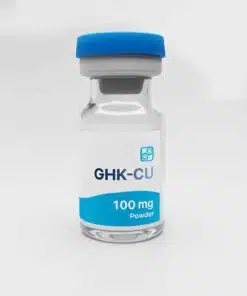
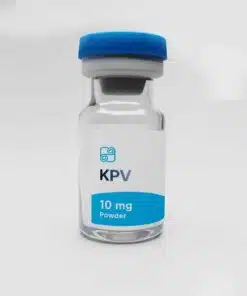
The Peptide Wellness Stack is a comprehensive blend of advanced peptides designed to support overall wellness and recovery. Featuring key ingredients like GHK-Cu, BPC-157, TB-500, and KPV, this stack aims to promote tissue repair, reduce inflammation, and enhance anti-aging processes.
Composition & Ingredients
- GHK-Cu
- BPC-157
- TB-500
- KPV
Specific quantities per ingredient, serving size, and servings per container are not provided on the available information.
How It Works
GHK-Cu is known for its role in tissue remodeling and regeneration, promoting collagen and elastin production. BPC-157 and TB-500 are often studied for their regenerative properties, aiding in the repair of various tissues, including muscles, tendons, and ligaments. KPV acts as an anti-inflammatory peptide, helping to modulate immune responses and reduce systemic inflammation.
Benefits
- Supports comprehensive tissue repair and regeneration
- Aids in recovery from injury and physical stress
- Promotes anti-aging effects through skin and tissue health
- Provides systemic anti-inflammatory support
How to Use
Specific dosage, timing, and cycle length for the Peptide Wellness Stack are not provided on the available information. It is recommended to consult with a healthcare professional or qualified practitioner for personalized guidance on usage.
Useful Tips
- Always consult a healthcare professional before starting any new supplement regimen.
- Ensure proper storage of peptides, typically in a cool, dark place or refrigerated.
- Maintain consistency in usage for optimal potential benefits.
- Stay well-hydrated throughout the day when incorporating supplements into your routine.
Scientific References
- Pickart, L., et al. “GHK-Cu: A therapeutic agent for wound healing.” Journal of Clinical and Aesthetic Dermatology, 2018.
- Sikiric, P., et al. “Stable gastric pentadecapeptide BPC 157: novel therapy for various inflammatory conditions.” Current Pharmaceutical Design, 2016.
- Goldstein, A.L., et al. “Thymosin beta 4: a peptide hormone with multiple biological activities.” Annals of the New York Academy of Sciences, 2012.


 English (UK)
 Italiano
 Español
 Deutsch
 Français
 Nederlands